
🎲Matt Thompson Rock'n'Rolls the Dice to Uncover the Fantasy Authors Who Inspired Rockers & Gamers!🎲
If you're a fan of fantasy authors Tolkien, Lovecraft, or Moorcock, chances are your favorite rockers were, too! Role-Playing Game Creators read those same authors! Let's roll these dice!🎲


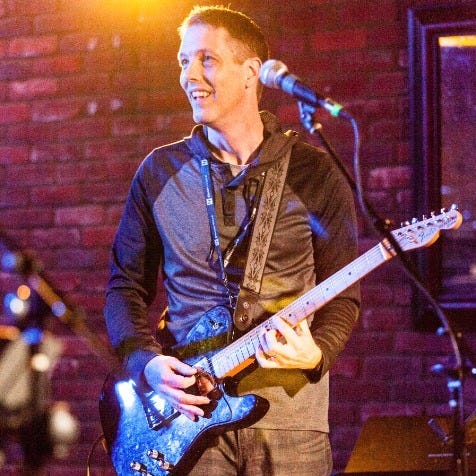
We’ve Been Keeping Matt Busy!
Two years ago, we tapped him for an early Tune Tag:

Sensing an opening, we got ‘im again in September, for his second Tune Tag!

It wasn’t even a week before the engaging and personable
, found an open date on his calendar, and locked Matt into his Vinyl Room for a delightful video chat where Matt revealed his 3 “Constant Companion” records of all time!👇
Matt dropped a foreshadowing of today’s topic recently on his Critical Hit Parader:

Care to Roll the 83-Sided Die to Discover More About Matt?
Matt Thompson is the publisher of the Critical Hit Parader newsletter, which covers the intersection of rock music and Tabletop Roleplaying Games (TTRPGs). He is also a regular panelist on The Contrarians YouTube music channel, and was a contributor to the following books by Martin Popoff:
Dominance and Submission: The Blue Öyster Cult Canon
Run with the Wolves: Rainbow on Record
Judas Priest: Album by Album
Matt also records music under the name The MT Promise, and you can get early access to his latest TTRPG project from his Battle of the Bands Patreon page!
And, I’m Not Through With Him Yet!
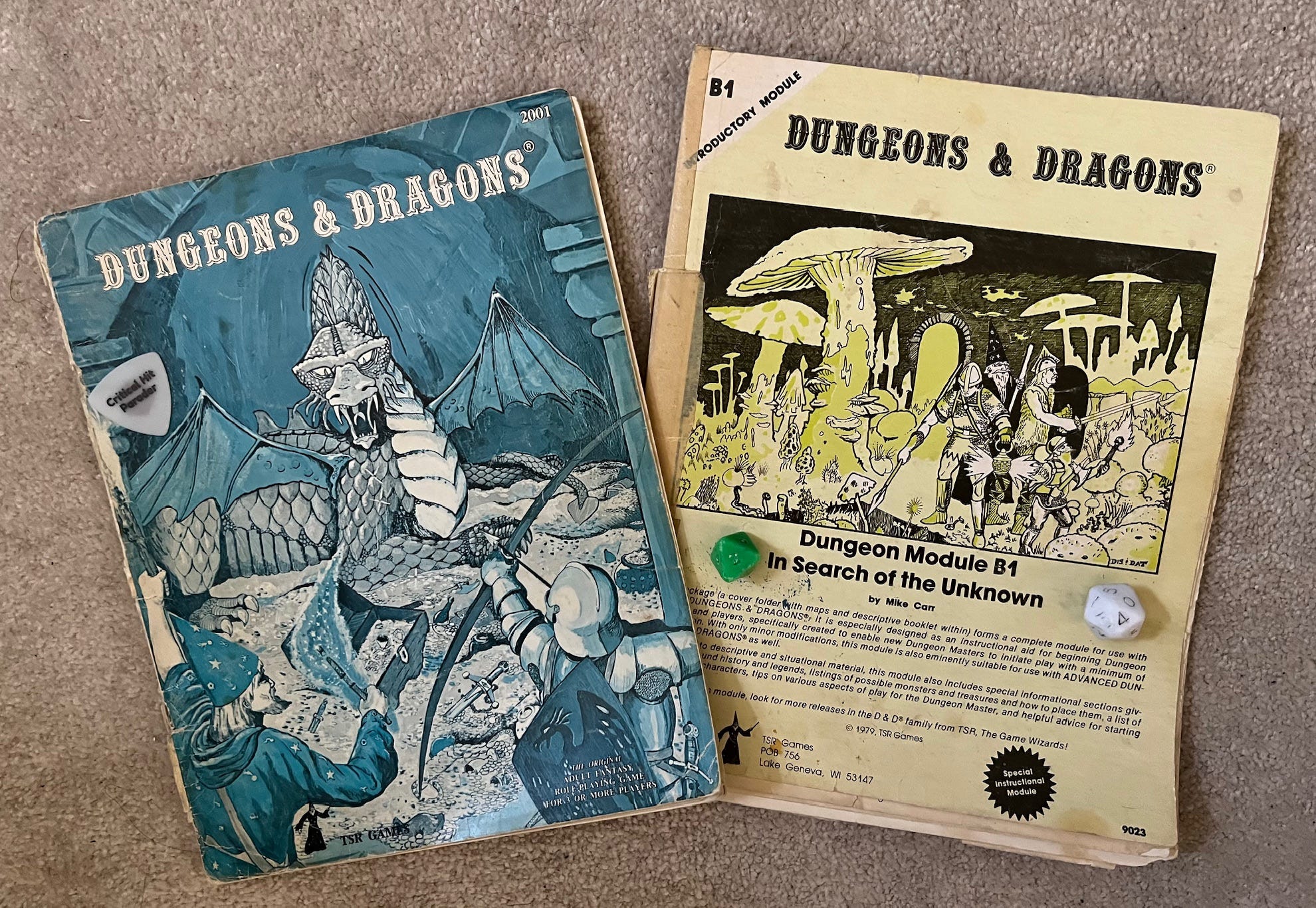
Today’s guest, Matt Thompson: I got seriously turned on to rock music in 1979, the same year I discovered Dungeons & Dragons (D&D). Once viewed as a niche, geeky hobby, D&D has captured mainstream attention in recent years. Consider the following about the tabletop roleplaying game:
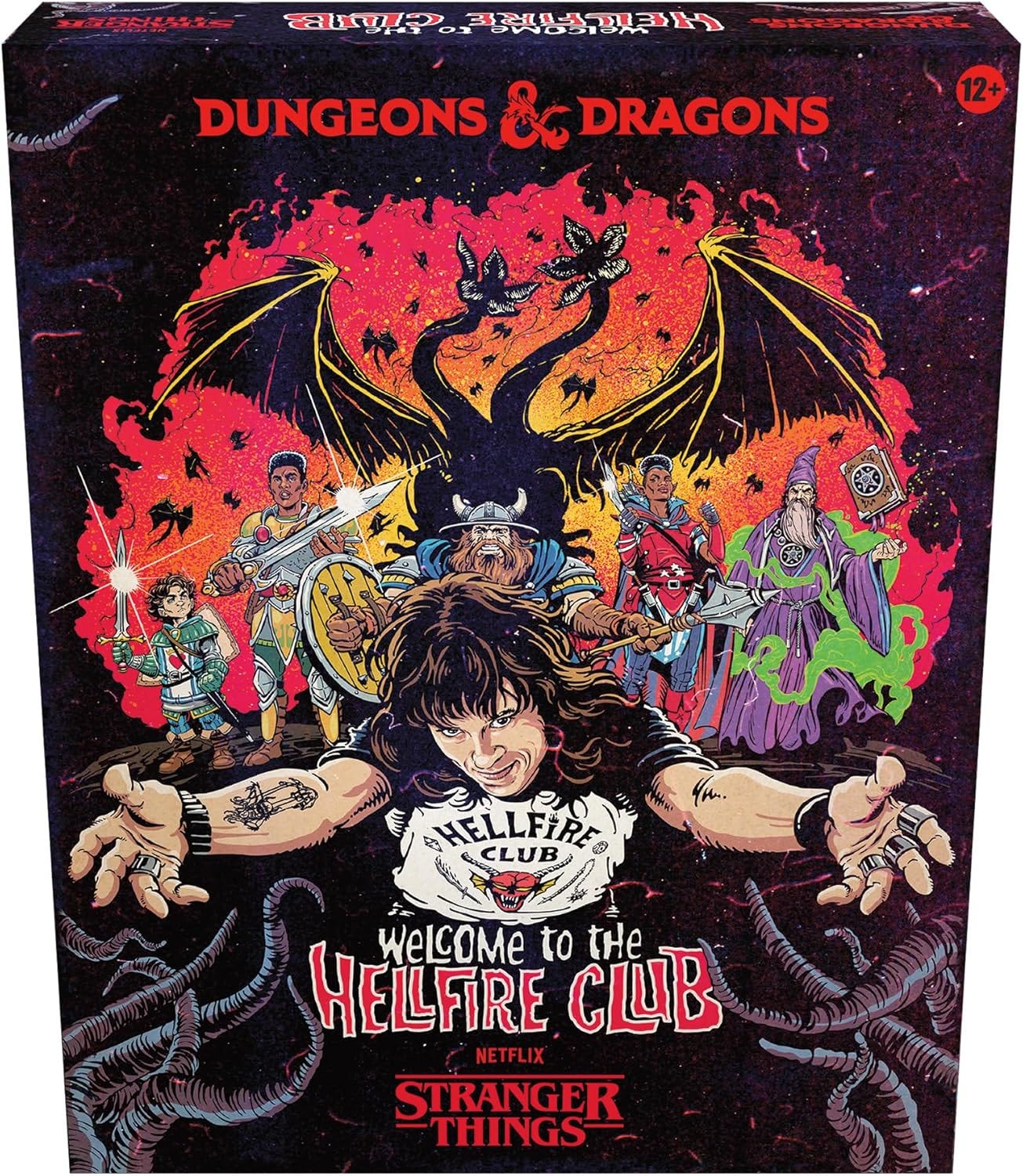
D&D plays a prominent role in the hit television series, Stranger Things:
The record breaking Baldur’s Gate III video game based on D&D boasts over 10 million players.
20,000 people attended a sold-out Madison Square Garden to watch a live-play of D&D by streaming sensation Dimension 20.
As a result, D&D is now on the radar of music fans who might not have grown up playing the game. These rockers might be pleased to discover that the same literature that inspired some of their favorite music, also inspired the creation of D&D.
Created in 1974 by Dave Arneson and Gary Gygax, Dungeons & Dragons allows players to take on the role of fantasy characters to embark on quests, battle monsters, explore dangerous settings, discover lost treasures, solve problems, and converse with other characters.
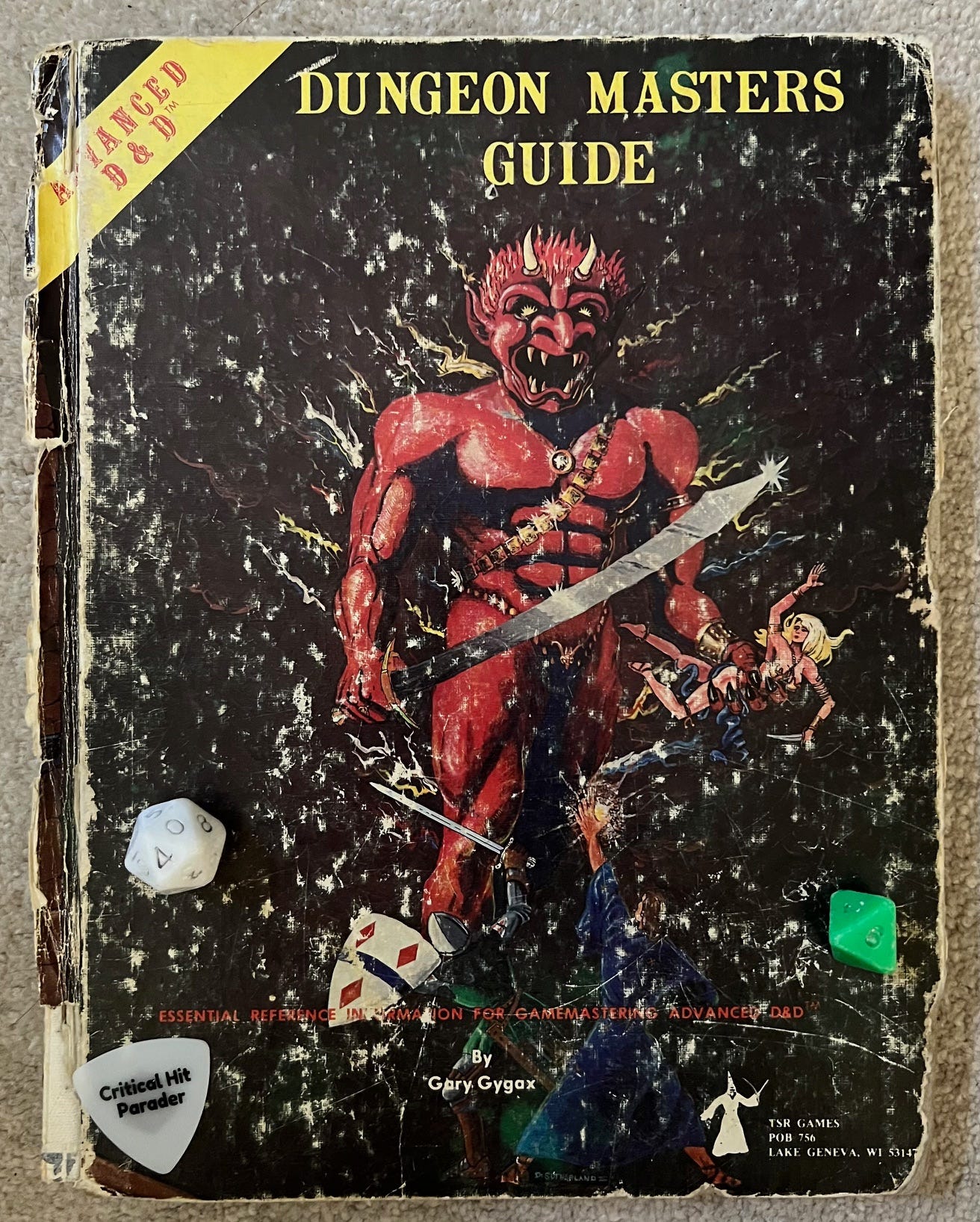
Gygax identified the fantasy/science fiction authors and stories that most influenced the creation of his version of D&D in Appendix N of the game’s Dungeon Masters Guide:
Among the authors listed, J.R.R. Tolkien, H.P. Lovecraft, and Michael Moorcock have especially been influential on music.
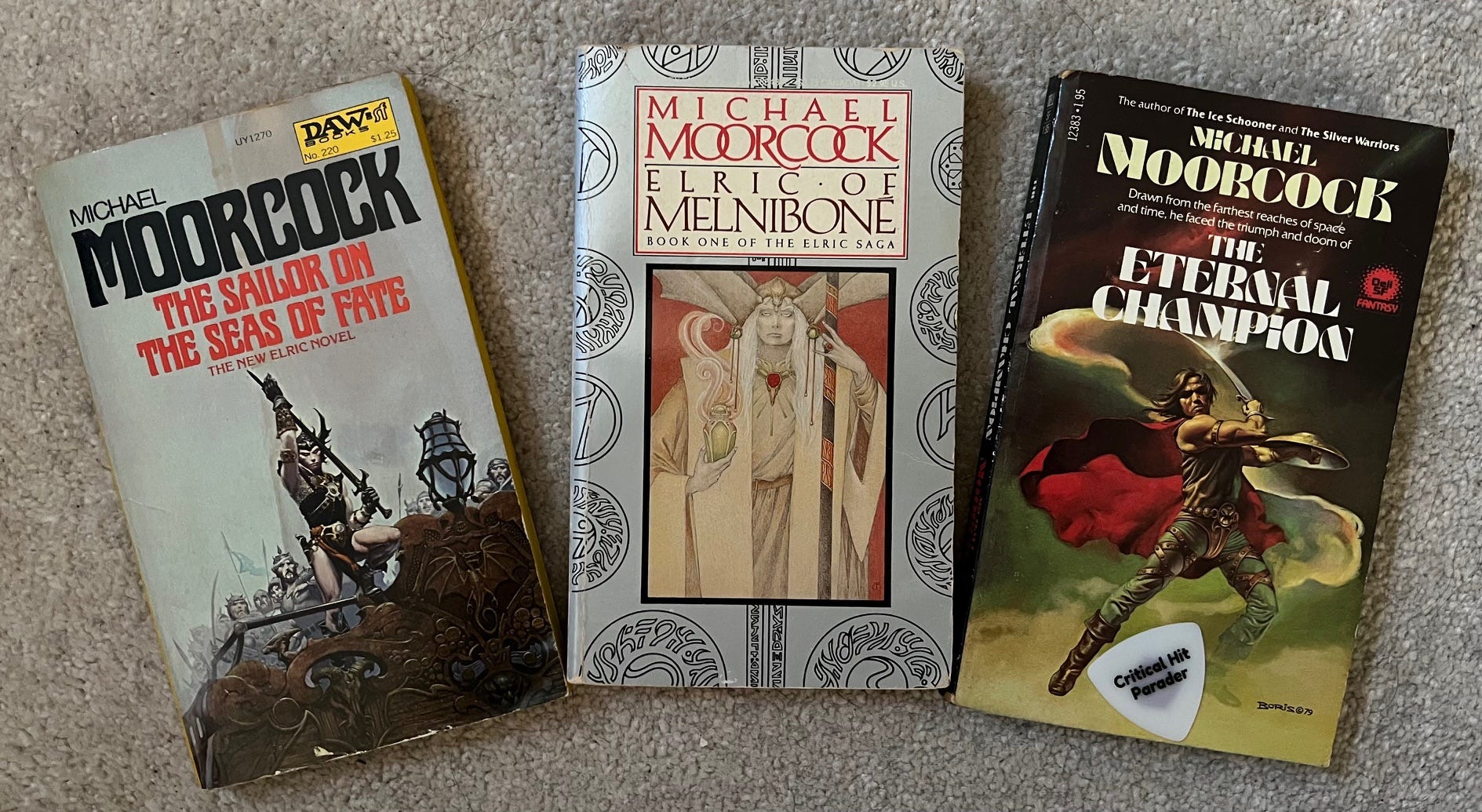
To help you level up your appreciation of these writers who formed the catalyst for D&D, let’s connect them with a few of the musicians of the classic rock generation who used their work to inspire their own art:
Led Zeppelin
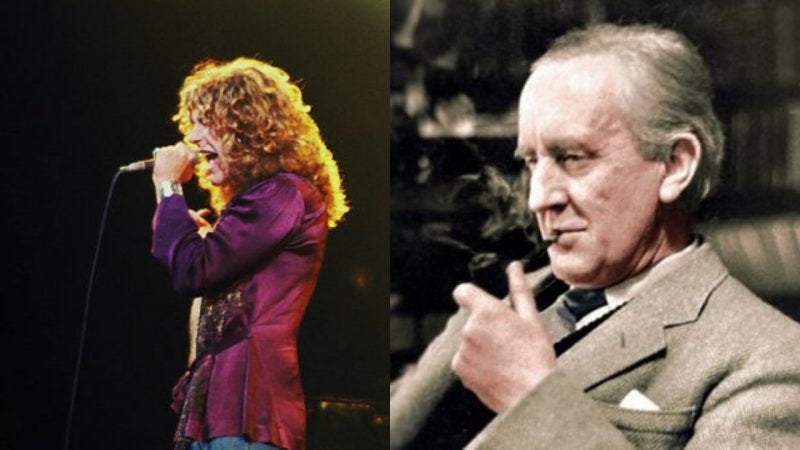
As a young songwriter, Robert Plant was influenced by J.R.R. Tolkien, and he included references from the fantasy author’s Lord of the Rings in several Led Zeppelin songs. For example, “Ramble On” (On Led Zeppelin II, written by Plant and Jimmy Page, who produced, 1969) mentions Tolkien characters with the lyric, “Twas in the darkest depths of Mordor, I met a girl so fair / But Gollum and the Evil One crept up and slipped away with her”:
Further, “Battle of Evermore” (sung by Plant and Sandy Denny, written by Page and Plant, produced by Page, from Led Zeppelin IV, 1971) appears to reference the Battle of the Pelennor Fields from Tolkien’s Return of the King, with lyrics like “The Dark Lord rides in force tonight” and “The Ringwraiths ride in black”:
Joni Mitchell

The folk songwriter and musician said that reading Tolkien’s Lord of the Rings “left a big impression on me because there are so many different ways that you can read your own things into it.”
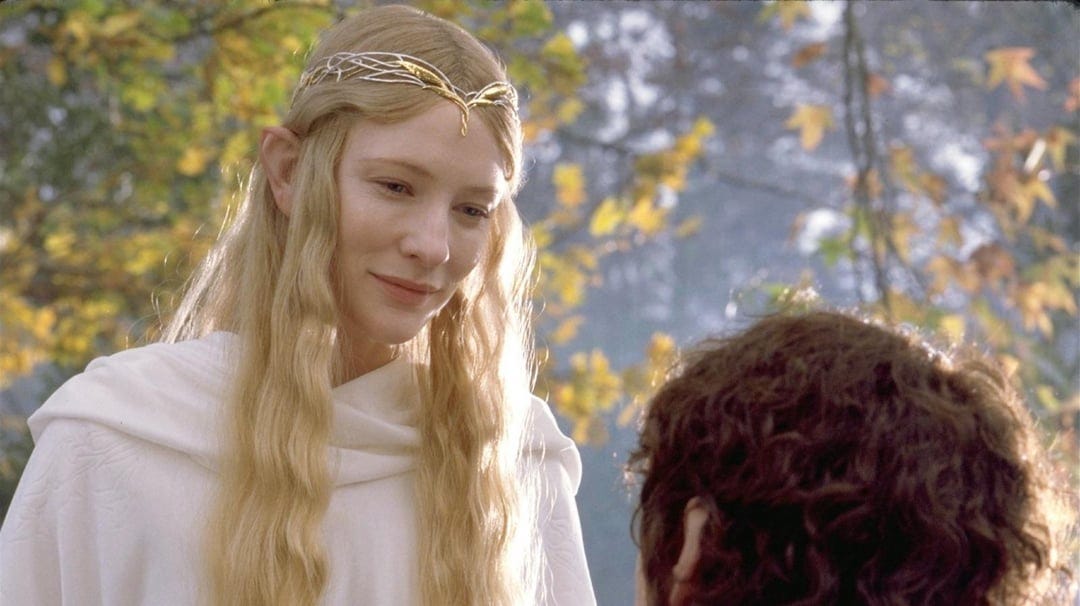
Her favorite character was “a lady wizard by the name of Galadriel,” who inspired Mitchell to write her song, “I Think I Understand” (from her 1969 album Clouds, produced by Mitchell and Paul A. Rothchild). At one point, her publishing company was even called Gandalf Publishing Co!
Metallica
H.P. Lovecraft’s stories of cosmic horror have inspired rock bands whose music is well-suited for occult-ish lyrical themes. Most famous are the author’s stories that have been categorized as part of the “Cthulhu Mythos,” with Cthulhu being an enormous cosmic entity with a tentacled face and bat-like wings.
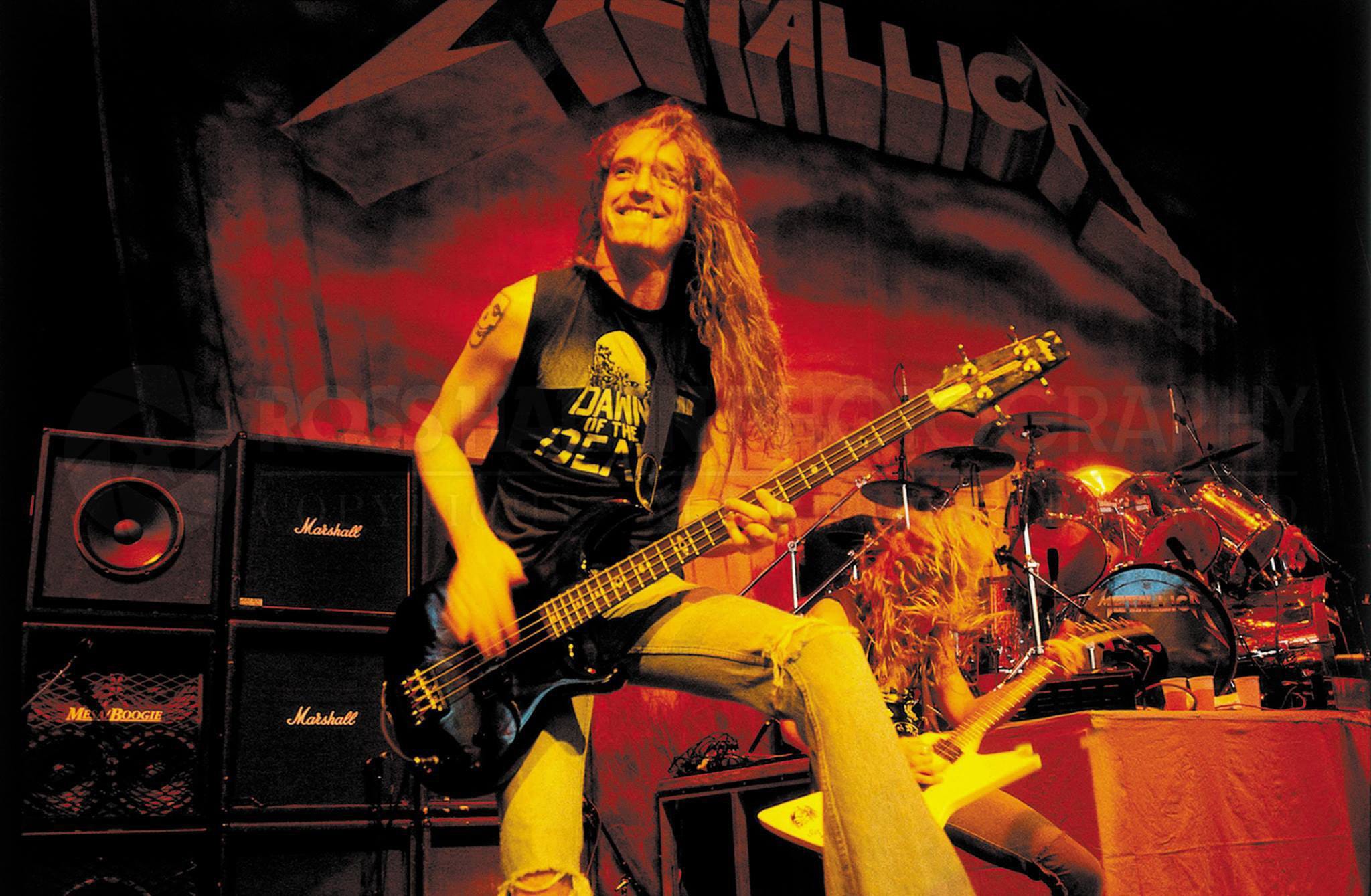
Cliff Burton, the late bassist of pioneering thrash metal band Metallica (shown above), was an enthusiastic Lovecraft fan. He even played the Call of Cthulhu role-playing game. For their 1984 Ride the Lightning album, the band wrote an instrumental titled “The Call of Ktulu” in honor of Lovecraft’s “Call of Cthulhu” story:
But, Metallica’s “The Thing That Should Not Be” (from their 1986 Master of Puppets album) is most loaded with Lovecraftian references, including a reworked quote from Lovecraft’s stories: “Not dead which eternal lie, Stranger aeons death may die”:
Black Sabbath
The legendary metal band Black Sabbath’s doom-laden metal was the perfect accompaniment for horror, fantasy, and sci-fi lyrics. Bassist Geezer Butler was the band’s primary lyricist in their early days. He was reading The Lord of the Rings while writing lyrics for the band’s “The Wizard,” and the lyrics describe Tolkien’s famous wizard character, Gandalf. Further, Butler admits he may have borrowed the title for Sabbath’s “Behind the Wall of Sleep” (from their 1970 debut album) from the Lovecraft story “Beyond the Wall of Sleep.”
Hawkwind

The English space rock band, Hawkwind, has closely collaborated with sci-fi author, Michael Moorcock. The band’s Warrior On The Edge Of Time album from 1975 is based on Moorcock’s The Eternal Champion, and the author wrote lyrics and recorded spoken word pieces for the record. Later, the band recorded The Chronicle Of The Black Sword, which was inspired by Moorcock’s tragic albino character, Elric Of Melniboné:
London native, Moorcock, now 85, sat down with The Austin (TX) Chronicle in March 2019 to discuss his relationship with Hawkwind. The author is a current resident of nearby Bastrop (about 30 miles southeast of Austin), which is also the home of Elon Musk’s social media platform, X.
Austin Chronicle: Your association with Hawkwind has been long and often fruitful. How did you first come to meet the band and how did you get involved with them musically?
Michael Moorcock: I’d been in bands since the Fifties. I saw [Hawkwind] pretty much from the start when [Hawkwind lyricist and lead vocalist] Bob Calvert, then a journalist on UK underground paper, Frendz, took me to see them. I was helping organize free concerts at Portobello Green, and by then, [Hawkwind founder] Dave Brock had asked for material.
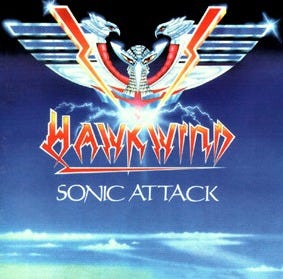
I did Sonic Attack [Hawkwind’s 11th album, 1981, above] and others, which became standard numbers for the band! If you lived in Ladbroke Grove/Portobello Road in the Sixties/Seventies, playing a stringed instrument was pretty much de rigueur.
AC: How did you come to record with Hawkwind for Warrior On the Edge of Time?
MM: Dave asked me. I went into the studio and performed some of the material I’d do on stage when Bob couldn’t do it (he was bi-polar), which I did pretty frequently through the Seventies and Eighties, while also performing and recording with my own band. It took me half a day, one take for each number.
AC: How involved were you with The Chronicle of the Black Sword [in 1985], and were you pleased with the results?
MM: Yes, in the main. Nik [Turner] had done some excellent material, but was fired from the band over disagreements and I missed his input. The last time I appeared at full strength, as it were, was with the band at Hammersmith Odeon concluding that tour.
Blue Öyster Cult
BÖC’s manager, Sandy Pearlman, wrote a cycle of H.P. Lovecraft-inspired poems that told the story of Imaginos, a modified child with the ability to write history. The band turned Pearman’s poems into lyrics for songs throughout their career, culminating in a full Imaginos concept album in 1988.
Like Hawkwind, they also directly collaborated with Michael Moorcock, with the author providing lyrics for three of the band’s songs: “The Great Sun Jester” (from 1979’s Mirrors album) “Black Blade” (1980’s Cultösaurus Erectus) and “Veteran of the Psychic Wars,” from the band’s 1981 album, Fire of Unknown Origin (with visuals from the 1981 animated science fantasy anthology film, Heavy Metal):
These examples just scratch the surface of music that has been inspired by the fantasy and sci-fi authors who similarly influenced the creators of Dungeons & Dragons. If you want to dig deeper, check out later metal bands like Cirith Ungol, Blind Guardian, and Smoulder, who fully lean into the works of these authors for their lyrical concepts and album cover artwork.
Also, there are now modern bands who are directly inspired by their own playing of D&D and other roleplaying games. Examples span across music genres, including Fight Dice (post punk), Maze Controller (thrash metal), Loot the Body (psychedelic & more), and Bardic Compass (prog rock).
For more reading on the merging of music and TTRPG, this recent post from Matt:
Happy playing!
Then, join us in the Chat Room to share your journey through the kingdoms of rock and TTRPGs! Did you grow up enjoying either? Both? Still? Hop on!👇

 | A guest post by
|
Thank you so much, Brad, for warmly welcoming me into your Front Row & Backstage home! It was tons of fun collaborating with you on this, and I hope we were able to give your readers a new perspective on some of their favorite musicians.
Guys, this was awesome. You know when you never thought of making a certain connection (e.g. Joni Mitchell inspired by Tolkien? not everyone's most immediate thought) and yet, when presented like this, it makes so much sense that you can't help thinking "geez, how BLIND was I not to see that one coming?". I also loved seeing the diversity of authors inspiring an equally diverse group of rock and rollers. FANTASTIC work, fellas!