Tune Tag #90 with Ellen from Endwell, Pt. 2👩Ladies Night👵: Heart, Fanny, Bonnie Raitt, Shirley Eikhard, Pat Benatar, Pursuit of Happiness, Uncle Dog
Lady's knight? Ummm, no, knaves. We're talkin' Ladies Night! If this was Tune Tag Tavern, the gals would be gratis guests! It's all about the females for this Tune Tag!
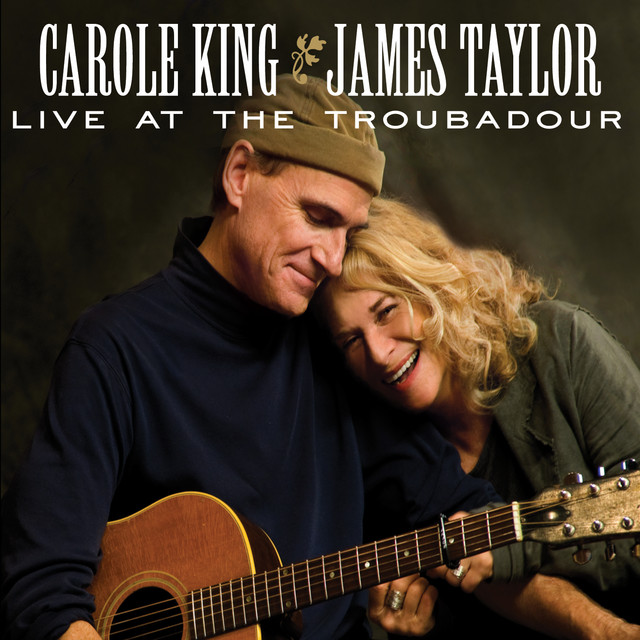
Ellen: My Substack, Rock ’n’ Roll with Me, has evolved through different “eras” over the one-plus year it’s been in existence. The first era was danceable rock music of the ‘60s and the ‘70s. My fascination with what I was learning as I researched the songs and artists led into the next era on Creators, covering James Taylor, Carole King, and a long series on Todd Rundgren as a performer and producer!
Some posts followed, profiling women singer-songwriters, such as Joan Baez and Joni Mitchell, which piqued my interest in exploring protest songs – what are they, who does them, what are good examples, and where, exactly, have all the protest songs gone. That protest song ‘era’ involved many other Substack writers, including Brad, and took seven months before I pulled myself away to turn to two new series in the works:
One of these new series came out of discovering the dire circumstances facing musicians trying to make it today. That series is about creating “a new golden age of music” by developing a vision of the music we want to create and share, rather than continuing to be at the mercy of an exploitative system.
The second new series is focused on “women in rock,” in which I will be profiling women artists as well as other women in rock ’n’ roll – label heads, producers, songwriters, groupies, rock wives, etc. – and looking for the XX factors that explain their success in the testosterone-fueled world of rock ’n’ roll.
So, when Brad suggested doing a follow-up Tune Tag, my immediate response was “How about one devoted to women?” The maestro was game, but little does he know that the deck is stacked against him, as I’ve been putting together a spreadsheet on women rockers!
To make it more fair, I set out some secret criteria for myself: My four songs have to be in the rock genre and (co-) performed and (co-) written by a woman, and it would be good to have some acoustic and electric. Easy-peasy? Not when you’re up against The Label Meister!
Ellen’s song #1 sent to Brad: Heart, “Crazy on You,” 1978, live
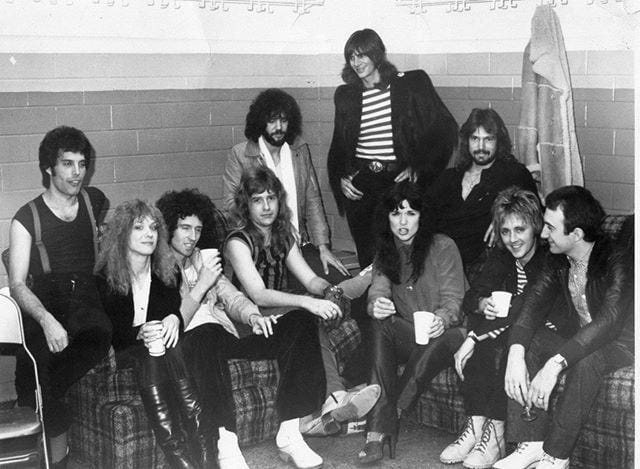
Queen and Heart, backstage, 1978. Heart opened for Queen on someEuropean dates thatyear. From Heart’s biography: “They were the ultimate English gentlemen. After one show in Edinburgh, they invited us for dinner at a fancy restaurant that was off an alley near Edinburgh Castle. It had no sign out front; you just had to know what ancient wooden door to knock on. It felt like it had been there for five thousand years. We sat down at a long table covered with fine champagnes and many delicious dishes. Brian May was sweet on Nancy and spent the whole night chatting her up. In the middle of the dinner, down the candlelit table in this ancient brick cavern, came the booming voice of Freddie Mercury: ‘Ann, oh Ah-NNN,’ Freddie bellowed in his unmistakable voice. It sounded so odd to hear my name spoken by one of the true greats in rock. The rest of the table stopped talking, and there was silence. ‘Ann,’ Freddie said. ‘Who is the real ‘Magic Man’? It’s me, isn’t it? You meant me, didn’t you, Ann?’”
Ellen’s rationale: This live performance of “Crazy on You” in 1978 not only ticks the boxes, but double-ticks them, being co- written and performed by sisters Ann and Nancy Wilson and having two kick-ass guitar solos: an acoustic improvisation at the beginning by Nancy, and an electric one by Roger Fisher.
Ann apparently wrote the lyrics when she was involved in a passionate love affair with Michael Fisher, Roger’s brother, who had co-founded the band (before it became Heart) but was forced to move to Vancouver to avoid being drafted into the Vietnam War. According to the liner notes from 1975’s Dreamboat Annie album (on Vancouver-based indie, Mushroom Records), he lived in a “Tolkien house with a big driftwood bed,” a description that really tickles my fancy.
Ann took the lyrics to Nancy, and she composed the music, while Roger came up with that unforgettable riff during the recording sessions (produced by Mushroom engineer, Mike Flicker, who won a Juno Award for his work on the Heart debut). In the end, though, for me, all that matters is that this is operatic seventies rock showcased in a thrilling performance. How can the Big B possibly top this?
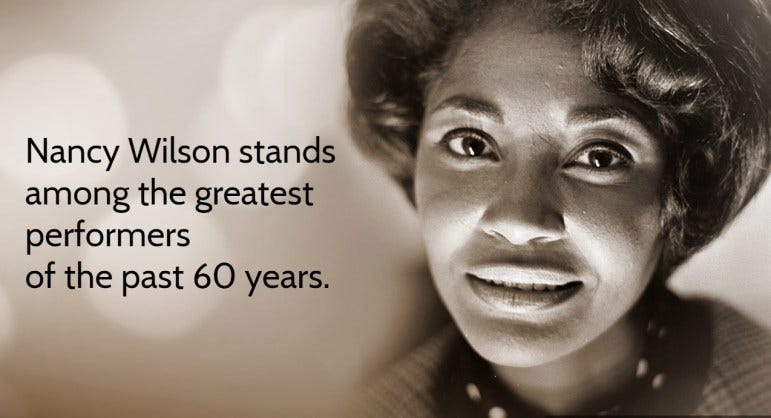
Brad’s song #1 sent to Ellen: Nancy Wilson, “I Can’t Make You Love Me,” 1994
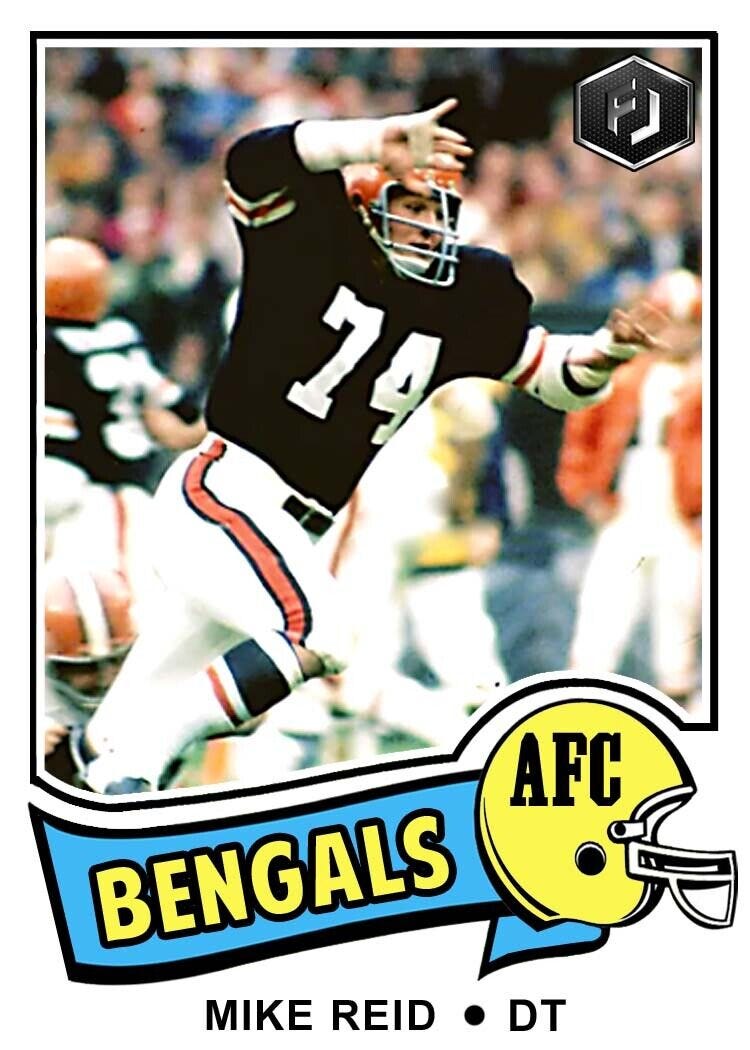
Brad’s rationale: The “other” Nancy Wilson takes on what we’ve come to know as Bonnie Raitt’s hit. Bonnie was the first to record it, in 1991, and it was an out-of-the-box hit. It was written, almost unbelievably, by this guy:
On November 27, 2016, the Grammy Hall of Fame announced the induction of “I Can’t Make You Love Me,” along with that of another 24 songs.
Here’s Ms. Wilson, in a live setting, with just piano accompaniment, in 1994. She was 57. Her single stalled at #87 on the U.S. R&B chart in ‘94:
Ellen’s response: Great song and excellent pick to take things in a completely different direction. I first have to share that my mother loved Nancy Wilson and played her albums all the time on the living room hi-fi. When my parents went on a pleasure trip to New York City sometime in the sixties, they saw Nancy perform in a nightclub and Mom never stopped talking about it!
So, I grew up with Nancy Wilson as a girl and took up with the other Nancy Wilson in college! Brad can’t possibly have chosen this song just because the artists have the same name. He wouldn’t make it that easy, unless he was psyching me out. I have to look for another connection. And yes, there is one.
Both songs deal with the Vietnam War. Ann Wilson said that “Crazy on You” was a response to the stress and unrest in the U.S. caused by the Vietnam War and the sanctuary that love can provide in the midst of a screwed-up world. And, according to the songwriters of “I Can’t Make You Love Me,” Mike Reid and Allen Shamblin, they read an article about a homeless alcoholic whose wife picked him up from under a bridge and took him to the courthouse to get divorced.
A homeless Vietnam vet was quoted in the article as saying, “You can’t make a damn woman love you if she don’t!” And voila, there’s your song.
2014: In a small club in Berryville, Virginia, Reid (on keys) sings his song with Marc Beeson and Will Robinson accompanying:
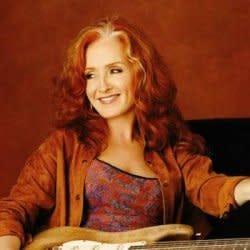
Ellen’s song #2: Bonnie Raitt, “Something to Talk About,” 1991
Brad’s response: The Bonnie connection is always welcome! “Something to Talk About” is a song written by Canadian singer-songwriter Shirley Eikhard, and recorded by Bonnie Raitt, for her 1991 Capitol Records album, Luck of the Draw, produced by Bonnie, with Don Was. The album surpassed Nick of Time’s massive commercial success (in 1989), which had hit #1 on the U.S. album chart, and won Bonnie 3 Grammys, including Album of the Year.
Ellen’s rationale: I looked at other songs with a Vietnam War theme, but didn’t find anything that struck me. Nancy’s song was a cover, so who first recorded it? That would be Bonnie Raitt on her Luck of the Draw album. Mike Reid and Allen Shamblin wanted to give the song to Bonnie, Bette Midler, or Linda Ronstadt, and they ended up offering it to Bonnie, according to Peter Cooper in a 2012 NashvilleTennessean article.
Bonnie’s highest-charting single ever was on that album, “Something to Talk About,” which hit #5 on the Hot 100. And shiver me timbers if it wasn’t written by a woman, Canadian singer-songwriter Shirley Eikhard.
Ding! Ding! Ding! We have ourselves a winner. Not only because it meets the criteria, but also because it continues in somewhat the same theme – “Hey, I love you and you should love me too” – only with an upbeat and flirty twist.
Get more from Brad Kyle in the Substack app
Available for iOS and Android
Brad’s song #2: Shirley Eikhard, “Say You Love Me,” 1976
Ellen’s response: I wondered if Brad would choose another song by songwriting wunderkind Shirley Eikhard, and he did. Only this time, it’s a cover she did of a song written by Christine McVie of Fleetwood Mac. A woman performer doing a woman songwriter – double points for Brad!
I don’t want to add yet more points to Brad’s score, but it’s striking how many connections Shirley has with other notable women artists. In 1969, the 13-year-old Shirley got into a Songwriters Workshop at Ontario’s Mariposa Folk Festival and played with Joni Mitchell and Sylvia Tyson of Ian and Sylvia. Just two years later, her song “It Takes Time” was recorded by Kim Carnes and made a hit by Anne Murray.
I also appreciate that we’re still on the same theme, but taking it further – “Stop wooing me and saying you love me if you don’t, ‘cause, baby, I’m falling hard here!”
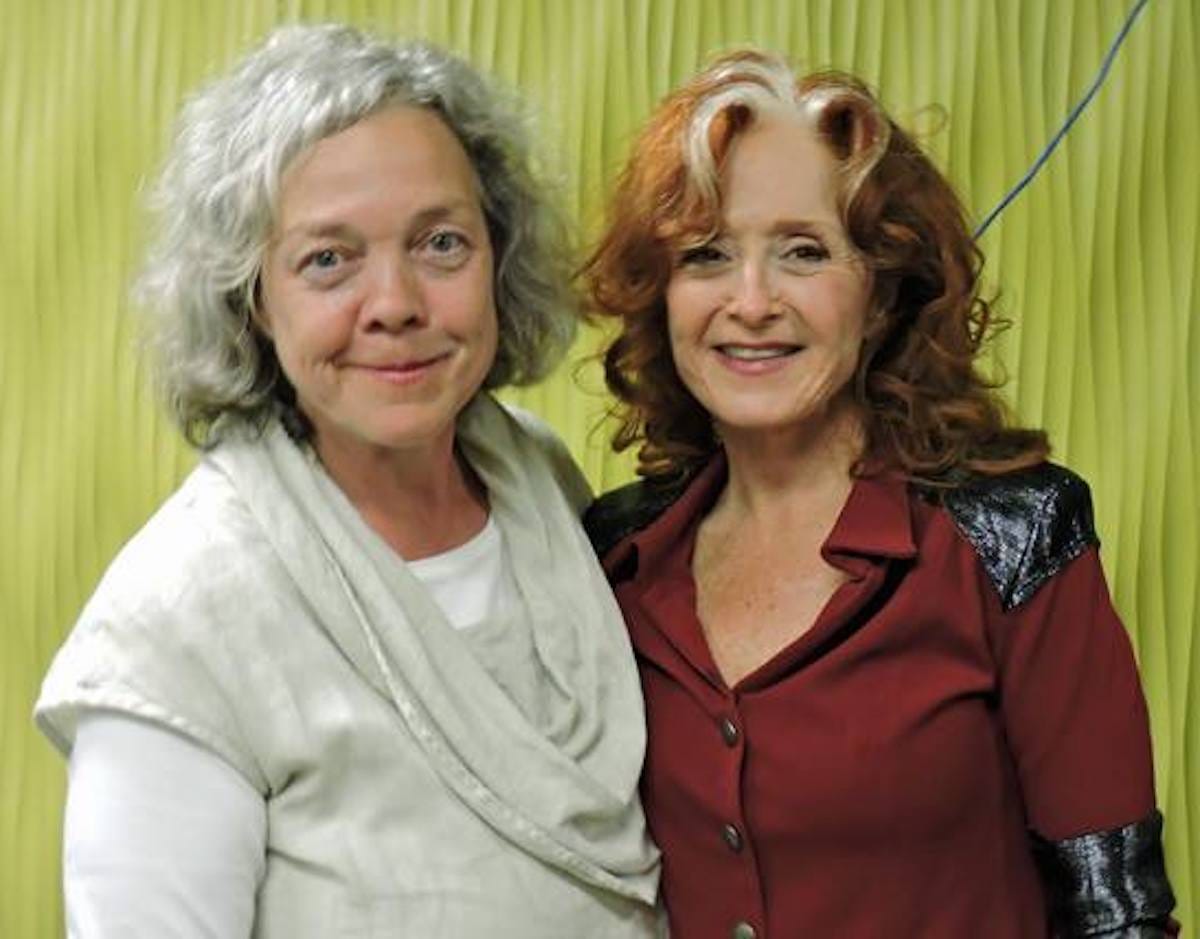
(l-r) Shirley and Bonnie give us something to talk about.
Brad’s rationale: Shirley Eikhard wrote “Something to Talk About,” that Bonnie was the first to record. Thirty-two other artists have since tackled the song, including its writer in 2005. In fact, Eikhard’s recorded version serves as the opening and closing credits of the CBS sitcom, Women of the House, which aired on the network for its eight-month stint in 1995, as a spin-off of Designing Women, which had a 7-year run:
In her Let Me Down Easy album from 1976, Eikhard took on Christine McVie’s “Say You Love Me,” which almost beat Fleetwood Mac’s to the stores. “Say You Love Me,” in a slightly more nasal, husky timbre than McVie, was released by Eikhard as a single in early June 1976. Eikhard took the song into the Canadian Top 40, peaking at #34; Fleetwood Mac’s version topped out at #29 in September.
If you’re in the States, and wondering A) why you may not have ever heard of Eikhard before or B) why you own so few albums by her, know that the first four of her 5 albums were only released in her home country, Canada! Her 1972 debut was on Canadian Capitol, albums #2-4 (1975-77) were on Toronto’s now-defunct Attic Records, and her fifth, 1987’s Taking Charge, was released on WEA/Canada, and virtually worldwide (including U.S.) in 1988 by Cypress Records.
🎵Now that you two have met……
Ellen’s song #3: Pat Benatar and Neil Giraldo, “Promises in the Dark,” (live, 2024)
Brad’s response: I’ve been in that building! Austin City Limits Live is on Willie Nelson Blvd in downtown Austin, about 10 miles from me! About a decade ago, I saw Ian Anderson there. Pat and Neil wrote this song, which was originally on Benatar’s 1981 album, Precious Time.
Unless Ellen’s Texas Two Step-tagging “Austin-tatious” me with this one, I’m gonna go with Keith Olsen. With Neil Giraldo, Olsen produced (and engineered) that ‘81 album for Benatar (on Chrysalis Records). Olsen (with the band) also produced the self-titled Fleetwood Mac album in ‘75 that originally housed Christine McVie’s “Say You Love Me” that Shirley Eikhard covered!
Ellen’s rationale: For my next choice I searched through songs written and performed by Christine McVie, because it would be fitting to further honor this wonderful woman and remarkable talent we recently lost (at 79 in ‘22). I almost went with “Friend” off her 2004 solo album (her third and final), In the Meantime, but it’s off-theme, and I needed to at least try to give Krafty Kyle a run for his money!
Looking at the version of “Say You Love Me” done by Christine and her Fleetwood Mac bandmates, I saw that it was co-produced by Keith Olsen, who worked with a who’s-who of bands and artists on now-classic albums from the ‘60s to the ‘90s.
I discovered that he did two Pat Benatar albums, Crimes of Passion (1980) and Precious Time (1981), and I checked them out to see if Pat had written any of the songs. Sure enough, she co-wrote two hits for the first album, “Treat Me Right” and “Hell is for Children,” and 3 songs for the second album, including another big hit, “Fire and Ice.”
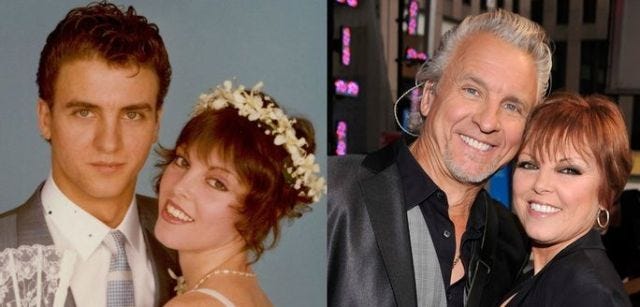
When I watched videos of the songs, what grabbed me was an intimate performance just last year at Austin City Limits of “Promises in the Dark,” where Pat shared the story behind co-writing the song with her guitarist and husband, Neil “Spyder” Giraldo, and the fact that they were celebrating their 44th musical anniversary and 41st wedding anniversary. Awwww!
Another connection with Fleetwood Mac’s “Say You Love Me” is that both albums, at least in part, were recorded at Sound City Studios. The song is also on-theme and a perfect follow-up with the lyrics, “blinded by passion, you foolishly let someone in… Resistance nowhere to be found.” As Pat explained, the song was their first personal one, based on their own relationship.
I couldn’t get over how great they sounded and how much fun they were clearly having after over four decades of touring! Pat still has that voice! It’s also inspiring considering the typical longevity of marriages in the music business, not to mention raising two kids together. I look forward to finding out how they did it when I read Pat’s autobiography for my “Women in Rock” series!
Brad’s song #3: The Pursuit of Happiness, “She’s So Young,” 1988
Ellen’s response: I searched people connections, but couldn’t find any links between my song and this one. Arrgh! But, then it hit me that I’m dealing with the Label Meister, and sure enough, there was the link! Both albums were on the Chrysalis label.
I’d never heard this band before, not being up on Canadian power pop, but what a great song! Brad will no doubt go into detail on the band, so I don’t want to steal his thunder, but I notice that they have two women on guitar and vocals, Kris Abbott, who’s still with the band today, and Leslie Stanwyck, who left with bassist Johnny Sinclair to form Universal Honey.
But what really catches my eye, of course, is Todd Rundgren as producer! Because I did a series on Todd and know just the band for my next selection.
Brad’s rationale: Pat Benatar was signed to Chrysalis Records. Eight years after she dropped the above Precious Time album, the label released Canada’s The Pursuit of Happiness and their Love Junk(produced by Todd Rundgren), featuring “She’s So Young,” the album’s second single following their smash hit, “I’m an Adult Now.”
Lady parts? Leslie Stanwyck was a vocalist for the band, and Kris Abbott was their guitarist/singer. They replaced sisters Tamara and Natasha Amabile, who left just before the Love Junk sessions. Tina Silvey produced the above video.
And, we’re live, in what appears to be around that 1989/90 time period:
From Canada’s Much Music network, a 1990 interview with TPOH lead singer/songwriter/guitarist, Moe Berg, on (oy!) working with Todd Rundgren:
Ellen’s song #4: Fanny, “Long Road Home,” acoustic demo
Brad’s response: Like the TPOH track, this (at least the 1973 Mother’s Pridealbum track) was produced by Todd Rundgren. This, apparently, is taken from the 2016 Real Gone Music re-issue CD with bonus tracks. Here, guitarist June Millington (who sang lead on this track for the Mother’s Pride album, their fourth for Reprise/Warner Bros. Records, before moving over to Casablanca) plays and sings her composition.
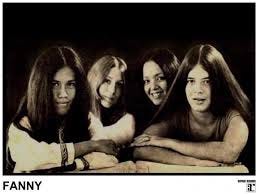
Ellen’s rationale: Although Todd produced the Patti Smith Group’s album Wave (1979), which has a fun backstory, and he also tried to work with Janis Joplin, I’m keen to give due to one of the first all-female rock bands, Fanny, with whom he worked on their 1973 album, Mother’s Pride.
The recording experience, as well as the fate of Fanny, is something I wrote about in my post on their fantastic cover of Randy Newman’s song, “Last Night I had a Dream”:
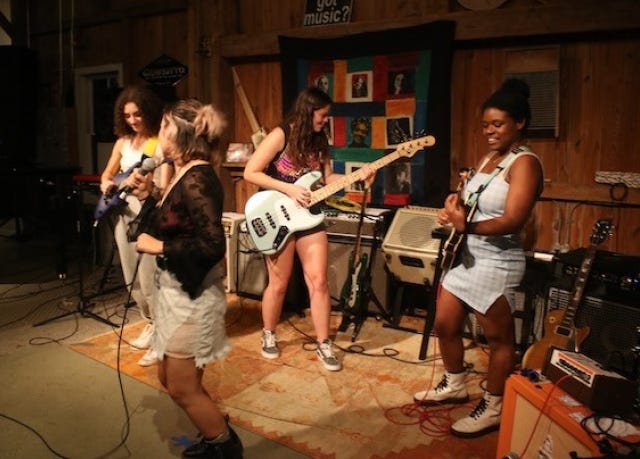
Fanny co-founder, June Millington, set up an organization 40 years ago to help girls become rock’n’roll artists, and that organization, the Institute for the Musical Arts (IMA), is still going strong and holding an annual summer Rock’n’Roll Camp for girls:
So, I’d love to honor June Millington by choosing from among the five songs she (co-) wrote for the Mother’s Pride album. I can’t believe my luck in finding an acoustic demo of “Long Road Home” featuring June! And it’s on-theme as well – “I don’t want to die of a broken heart… Baby, I’m taking it slow.” Looking forward to seeing where the wily Mr. Kyle goes from here!
Brad’s song #4: Uncle Dog, “Lose Me,” 1973
Ellen’s response: Wow, great connection from Fanny to Uncle Dog, another band new to me. It took a while to figure out, but Fanny has a cover on their album of the song “Old Hat” by David Skinner, who was principal writer and keyboardist for Uncle Dog.
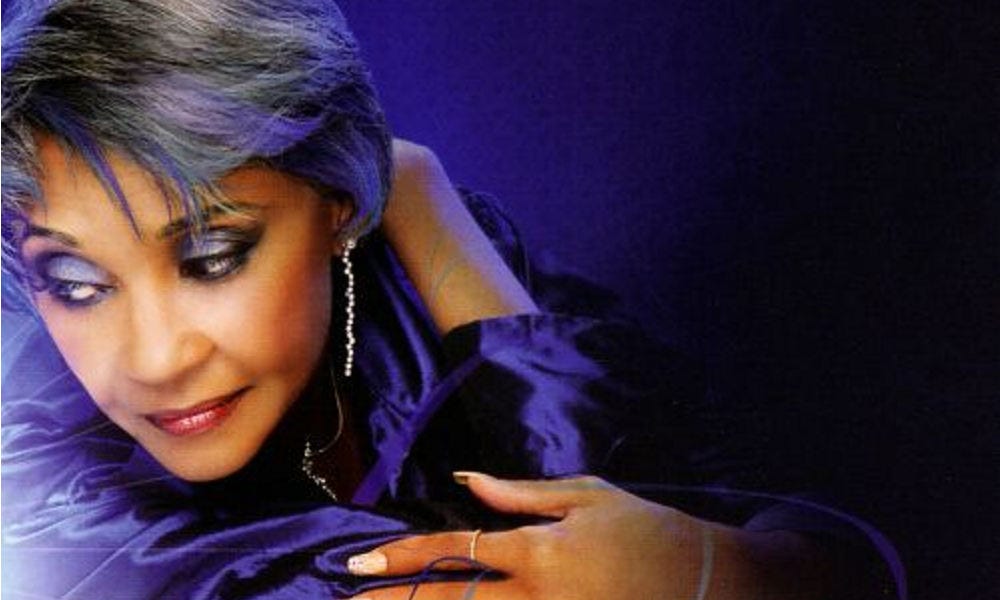
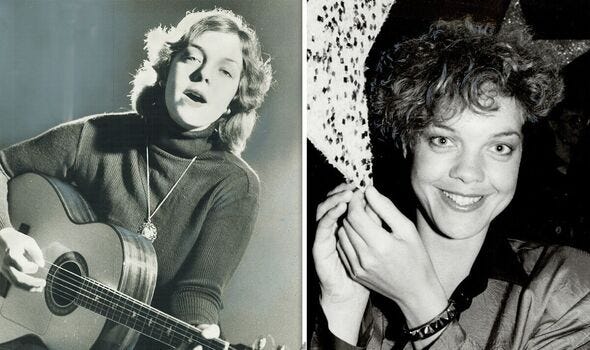
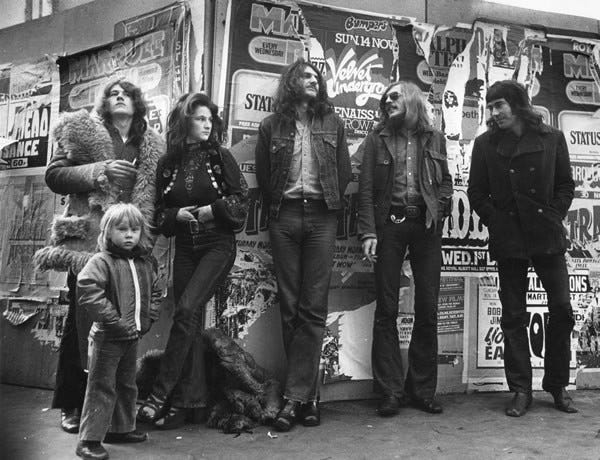
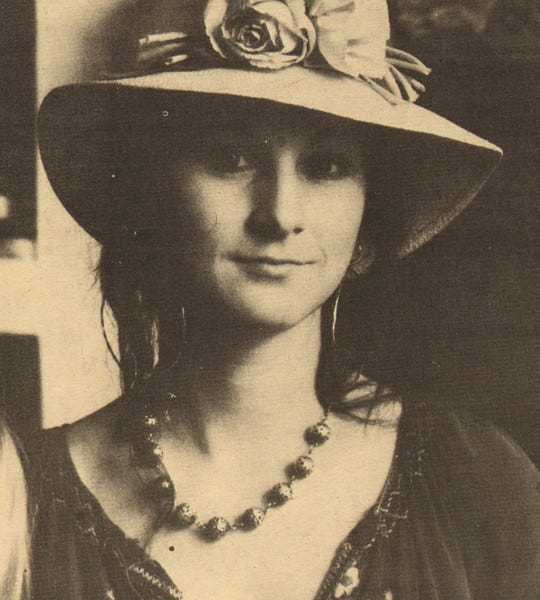
“Lose Me” happens to be another song on the one album they put out, with Carol Grimes (above) performing lead vocals. Quite a find! It’s too bad that Uncle Dog didn’t last with all that talent and tunes like this. But, it seems they went on to other great things. Over to you, Brad.
Brad’s rationale: On Fanny’s 1973 album, Mother’s Pride, the song that follows June Millington’s “Long Road Home” is its third song, “Old Hat,” a song written by one David Skinner, who recorded an album in ‘73 with a band called Uncle Dog. “Lose Me” is the last track from their lone album called….wait for it….Old Hat, with its title song also showing up as the album’s third song (produced by Bob Potter)!
Carol Grimes was Uncle Dog’s lead singer (double-tracking a harmony line), and she takes the reins here, certainly, in an album-closing rouser that performers like Little Feat, Bonnie Raitt, and Fanny would sound right at home playing! Unbelievably, the sizzling sax solo is uncredited!
Thanks so much for letting me do an uber-fun and challenging rematch on Tune Tag, Brad! This ol’ brain will need a while to recover!
FRONT ROW & BACKSTAGE is a reader-supported publication. To receive new posts in your inbox, please consider becoming a free subscriber! To receive new posts, support my work, gain access to all paywalled articles, and receive periodic EXCLUSIVE BONUS GOLD PASS POSTS, please consider an upgrade to Paid (just $6/month or $52/year, a $20 savings over monthly)! Thank you!
Hey, Brad, thanks again for hosting me. It was uber-fun, but since I didn't trounce you, there has to be a rematch! But first I have to recover, because you really kept me on my toes at every turn.
That live performance of “Crazy on You”? Wow. It starts with such a beautiful, low key acoustic solo, only to build up and explode into that awesome chorus. Those screams still send shivers down my spine every single time. It’s wild and electric and authentic in all the best ways. What a powerful pick to open with, though I have to say Bonnie Raitt’s “Something to Talk About” holds a special place in my heart too.
I’ve been on a bit of a folk kick lately, and I’ve been deep into Tia Blake’s Folksongs and Ballads from 1972. I think you’d appreciate the simplicity of how her voice aches.
Thank you for your celebration of women in rock and for the passion and thought you bring to these entries. Looking forward to the next one!

















Hey, Brad, thanks again for hosting me. It was uber-fun, but since I didn't trounce you, there has to be a rematch! But first I have to recover, because you really kept me on my toes at every turn.
Hi Ellen,
That live performance of “Crazy on You”? Wow. It starts with such a beautiful, low key acoustic solo, only to build up and explode into that awesome chorus. Those screams still send shivers down my spine every single time. It’s wild and electric and authentic in all the best ways. What a powerful pick to open with, though I have to say Bonnie Raitt’s “Something to Talk About” holds a special place in my heart too.
I’ve been on a bit of a folk kick lately, and I’ve been deep into Tia Blake’s Folksongs and Ballads from 1972. I think you’d appreciate the simplicity of how her voice aches.
Thank you for your celebration of women in rock and for the passion and thought you bring to these entries. Looking forward to the next one!